
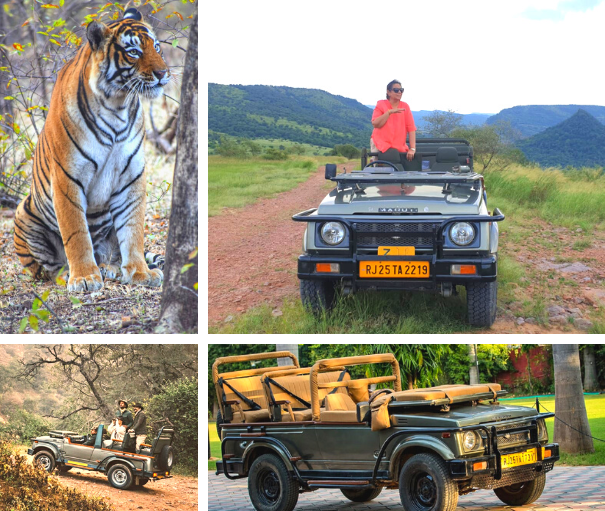
Welcome To Mukundara Hills Tiger Reserve
Mukundara Hills Tiger Reserve, also known as Mukundara Tiger Reserve or Mukundra Hills Tiger Reserve, is one of Rajasthan’s important wildlife landscapes and a significant conservation area in southeastern India. Located across the wider Kota, Bundi, Chittorgarh and Jhalawar landscape, the reserve combines rugged Vindhyan hills, dry deciduous forests, river systems, wetlands, rocky valleys and diverse wildlife habitats.
Covering approximately 759.99 square kilometres, Mukundara Hills Tiger Reserve includes a 417.17 sq km core area and a 342.82 sq km buffer area according to the National Tiger Conservation Authority (NTCA). The reserve was included in India’s tiger-reserve network in 2013 and plays an important role in the wider tiger conservation landscape of Rajasthan.
What Makes Mukundara Hills Tiger Reserve Special?
The importance of Mukundara Hills Tiger Reserve goes far beyond its name. It is a large connected landscape where hills, forests, rivers, grasslands and wetlands support a wide range of wildlife.
The NTCA describes Mukundara as a landscape formed by two nearly parallel, flat-topped hill ranges associated with the Vindhyan Range, extending from the Chambal River towards the Kalisindh. This distinctive terrain creates valleys, slopes, rocky areas and forest corridors that are important for wildlife movement.
The reserve is also strategically important because of its ecological connections with other protected areas of Rajasthan and the wider central Indian landscape. Its relationship with Ranthambore Tiger Reserve, Ramgarh Vishdhari Tiger Reserve, Bhainsaroghar and other adjoining wildlife habitats makes landscape-level conservation especially important.
Best Things to do

Jeep Safari

Sightseeing

Birds Watching

Water Animal

Village Safari

Fort Sightseeing
Where Is Mukundara Hills Tiger Reserve Located?
Mukundara Hills Tiger Reserve is located in southeastern Rajasthan, India. Its landscape extends across parts of Kota, Bundi, Chittorgarh and Jhalawar districts.
Kota is an important gateway for visitors exploring the region, while the reserve’s forests and surrounding protected landscapes extend across a much larger geographical area.
Mukundara Hills Tiger Reserve Location
- State: Rajasthan, India
- Region: Southeastern Rajasthan
- Major districts: Kota, Bundi, Chittorgarh and Jhalawar
- Landscape: Vindhyan hills, dry deciduous forests and Chambal-linked ecosystems
- Total notified area: Approximately 759.99 sq km
- Core area: Approximately 417.17 sq km
- Buffer area: Approximately 342.82 sq km
History of Mukundara Hills Tiger Reserve
The protected landscape has a long conservation history associated with the former Darrah Wildlife Sanctuary, Jawahar Sagar Wildlife Sanctuary, Mukundara National Park and adjoining areas.
The landscape was subsequently brought together as a tiger reserve under India’s Project Tiger framework. NTCA records list Mukundara as a tiger reserve established in 2013.
The reserve’s conservation story has continued to evolve, including habitat management, wildlife monitoring and tiger-reintroduction efforts.
A newer Tiger Conservation Plan also records the inclusion of Bhainsrodgarh Sanctuary within the current core-reserve context through a 2023 order, making the landscape even more important from a connectivity and conservation perspective.
Safari Booking
Meet Our Teams


0
+
Happy Clients
0
+
Clients Globally
0
k
Users Aquired
0
+
Experience
Tigers in Mukundara Hills Tiger Reserve
Tiger conservation is one of the most important aspects of Mukundara Tiger Reserve.
The reserve forms part of the wider Rajasthan landscape used for tiger conservation and dispersal. Historically, the area was considered important for providing additional habitat and connectivity for tigers moving from the Ranthambore landscape.
In recent years, Rajasthan has continued tiger translocation and rewilding initiatives involving Mukundara. In January 2026, a male tiger identified as T-2408 was relocated from Ranthambore to Mukundara as part of a conservation programme designed to strengthen the reserve’s tiger population.
These initiatives demonstrate why Mukundara Hills Tiger Reserve is increasingly important in Rajasthan’s long-term tiger conservation strategy.
Flora of Mukundara Hills Tiger Reserve
The vegetation of Mukundara is characteristic of Rajasthan’s dry deciduous forest ecosystem.
Important plant communities include species associated with dry forest, rocky slopes, valleys and seasonal watercourses. The NTCA’s ecological documentation identifies Dhok and Khair among the predominant tree species, while the wider landscape supports numerous plants, medicinal species and other forms of vegetation.
The seasonal nature of the landscape creates significant changes throughout the year. During the monsoon, grasses and vegetation become greener, while summer places greater ecological importance on permanent and seasonal water sources.
Rivers, Hills and Landscape
One of the defining characteristics of Mukundara Hills Tiger Reserve is its dramatic terrain.
The reserve’s hill systems are part of the Vindhyan landscape and interact with the Chambal River and associated water bodies. Rocky ridges, forested valleys, streams and seasonal watercourses create a varied habitat mosaic.
Water availability is particularly important during the hotter months because wildlife activity often becomes closely associated with remaining water sources.
This combination of hills + forests + water + prey habitat + wildlife corridors makes Mukundara an important ecological landscape rather than simply a protected forest.
Best Time to Visit Mukundara Hills Tiger Reserve
The best time to visit Mukundara Hills Tiger Reserve generally depends on the purpose of your trip.
October to March
The cooler months are generally more comfortable for exploring Rajasthan’s wildlife landscapes. Pleasant temperatures can make outdoor activities and nature observation easier.
April to June
Summer can be extremely hot, but wildlife activity may become more concentrated around available water sources. For wildlife enthusiasts, this can create interesting opportunities for observation, although conditions can be challenging.
Monsoon
The landscape changes dramatically during the monsoon. Vegetation becomes greener and seasonal water systems become active, but visitor access and tourism operations can vary depending on official forest rules and weather conditions.
Always verify current entry rules, safari availability, routes, closures and permits through official Rajasthan Forest Department channels before travelling.
Mukundara Hills Tiger Reserve Safari
Visitors searching for Mukundara Hills Tiger Reserve safari should distinguish between general wildlife information and officially operated tourism services.
Safari availability, tourism zones, entry permissions, vehicle rules, timings and booking procedures can change. Therefore, travellers should use official Rajasthan Forest Department and authorised booking channels for current information rather than relying on outdated third-party information.
MHTR.in should also clearly communicate that it is an independent information resource and does not itself guarantee safari availability or accept safari payments.
Frequently Asked Questions About Mukundara Hills Tiger Reserve
Where is Mukundara Hills Tiger Reserve?
Mukundara Hills Tiger Reserve is located in southeastern Rajasthan, across the wider landscape of Kota, Bundi, Chittorgarh and Jhalawar districts.
What is Mukundara Hills Tiger Reserve famous for?
It is known for its tiger conservation programme, Vindhyan hills, dry deciduous forests, Chambal-linked landscape and diverse wildlife.
How large is Mukundara Hills Tiger Reserve?
The NTCA lists the reserve at approximately 759.99 sq km, including 417.17 sq km of core area and 342.82 sq km of buffer area.
Which districts are covered by Mukundara Tiger Reserve?
The reserve’s wider landscape covers Kota, Bundi, Chittorgarh and Jhalawar districts.
Is Mukundara Hills a tiger reserve?
Yes. Mukundara is officially listed by the National Tiger Conservation Authority as a tiger reserve in Rajasthan.
Can you see tigers in Mukundara Hills Tiger Reserve?
Tiger sightings are never guaranteed in a wild habitat. Mukundara is an active tiger-conservation landscape and has been involved in tiger translocation and rewilding programmes. Visitors should follow official tourism information regarding where and when wildlife viewing is permitted.
What animals are found in Mukundara Tiger Reserve?
Wildlife recorded in the landscape includes tigers, leopards, sloth bears, chital, sambar, nilgai, hyenas, wild boar and many species of birds and reptiles.
What is the best time to visit Mukundara Tiger Reserve?
For comfortable wildlife travel, October to March is generally a favourable period. Summer can provide different wildlife-viewing opportunities around water sources but is much hotter.
How far is Mukundara Tiger Reserve from Kota?
Kota is the principal urban gateway to the Mukundara landscape. Exact travel distance depends on the forest range, tourism gate or location being visited, so travellers should check the official entry point before planning their route.
Is Mukundara better than Ranthambore for tiger sightings?
The two reserves should not be treated as identical tourism destinations. Ranthambore has a much more established safari tourism ecosystem, while Mukundara is particularly important for conservation, habitat connectivity and Rajasthan’s expanding tiger landscape. Tiger sightings in either reserve are naturally unpredictable.
Responsible Wildlife Tourism at Mukundara
A responsible visit should always prioritise wildlife welfare and habitat protection.
Visitors should:
- Follow forest department instructions.
- Maintain a safe distance from animals.
- Never feed wildlife.
- Avoid loud music and unnecessary noise.
- Do not litter.
- Never attempt to approach or chase animals.
- Follow permitted safari routes.
- Avoid sharing sensitive wildlife locations online.
- Respect local communities and forest staff.
Responsible tourism can help generate awareness and economic value while keeping conservation at the centre of the visitor experience.
Explore Mukundara Hills Tiger Reserve with Reliable Information
Mukundara Hills Tiger Reserve is more than a destination for spotting a tiger. It is a complex ecological landscape where forests, hills, rivers, wetlands, wildlife, people and conservation corridors interact.
From its Vindhyan hill systems to the Chambal-linked landscape and ongoing tiger conservation efforts, Mukundara represents an important part of Rajasthan’s future wildlife story.
For official safari rules, permits, entry fees and tourism availability, visitors should verify current information through the Rajasthan Forest Department before travelling.
Reviews and Experience
Incredible tour guide, fantastic place.
10/04/2025
We had the most incredible tour with Naval, his effort and attention to detail were the best of any tour guide I’ve ever had (and there have been many). He also completely by himself noticed it was my wife’s birthday and after our safaris came back in the evening and surprised us with a cake and everyone singing happy birthday. He then also surprised us again with another present as we were leaving the town, arranging for our driver to pull over and meet him. The most thoughtful and enthusiastic guide/person. We can’t thank him enough for such a magical time in Ranthambore. We also were lucky enough to see a tiger with him, which I’m sure he manifested with his positivity, also actually taking the time to look, unlike other cars there. Thank you so much.
Alex Genesis
Beautiful experience
10/04/2025
We booked two safaris in canters, one in the evening and one in the morning. We were very lucky to see several tigers from close up, thanks to the guides and drivers who were really helpful and dedicated. We were slightly disappointed that the park contained only a few animals (mainly peacocks, monkeys, langurs and sambar deers) but we still loved this experience and recommand!
Anna
Tiger spotting in Ranthambore
09/03/2025
Two days, first day zone 10 morning and zone 6 afternoon in a jeep, we were dissapointed we did not see Tigers. But others did in zone 6 but in the morning. …. that is wildlife for you.
Following day zone 3 morning and zone 2 afternoon, both in a canter which I was dubious of..
But a great day, a big male in the morning from about 60 metres then in the afternoon very close to a young female bathing and then walking around. This was a long sighting with great views from the canter. Lastly on top of all the other wildlife we had a great view of a Sloth Bear (Baloo).
We loved it thanks to Rakesh for organising tours.
Ranthambore is stunning
Stuart
Amazing Rathambore!
09/03/2025
We booked Rathambore package which included 2 nights stay at Rathambore Heritage Haveli and 2 safaris! We loved our stay in such a charming hotel with great food and friendly staff. Kudos to Hanuman who provided us such a great service. He promised that we would see tigers and we did see the tigers on both morning and afternoon safari! We were very satisfied! Highly recommend booking your safari with Wildlife Excursion!
Jittiya Dearden
2 safaris in Ranthambore we will never forget
26/02/2025
We went on 2 safaris in Ranthambore, zones 2 and 3, one on the morning and one on the afternoon. Organization was perfect, pickup at the hotel, on time, with briefing the day before with Naval!
Experimented guide with who we could observe tigers, monkeys, bear, birds etc…
I recommend this excursion!!!
Sarah
Incredible Experience with Ranaji in Ranthambore
26/02/2025
Our safari experience in Ranthambore was truly unforgettable, and much of that is thanks to our exceptional tour guide Ranaji! From the moment we met, we knew we were in good hands. He was not only incredibly knowledgeable about the park’s wildlife, but he also had an infectious passion for conservation, which made the experience even more meaningful.
Throughout the safari, he shared fascinating facts about the tigers, birds, and other wildlife, helping us spot creatures we might have missed on our own. His keen eye for detail and expert knowledge ensured that we had front-row seats to the beauty of the park. He also took the time to answer all our questions with patience and enthusiasm, making us feel like we were learning from a true expert.
What stood out most was his commitment to giving us a safe, respectful, and sustainable wildlife experience. We never felt rushed, and he made sure we were always mindful of the animals and their environment.
If you’re planning a trip to Ranthambore, I highly recommend booking a tour with this Ranaji. It truly made all the difference in making our visit so memorable!
Pooja Shah
Ranthambore wildlife safari
26/02/2025
Amazing experience. Good facilities. Very satisfied. A memorable trip. Highly recommend this for a peaceful and fun family vacation away from the city life.
Varad
Amazing Experience
26/02/2025
Had an amazing experience with Ranaji and the team. The safaris organized were extremely comfortable and safe.
The hotel accommodation arranged at the Nature Camp Resort was amazing !
Couldn’t have asked for anything better !
Keep up the good work Ranaji 🙂
Lakshay
Amazing Experience
26/02/2025
Had an amazing experience with Ranaji and the team. The safaris organized were extremely comfortable and safe.
The hotel accommodation arranged at the Nature Camp Resort was amazing !
Couldn’t have asked for anything better !
Keep up the good work Ranaji 🙂
Lakshay
Amazing hospitality, Exceptional service
26/02/2025
We were a group of 13 people. We all had an amazing time! The service was extremely timely and accommodating. The food was tasty and they accommodated all our dietary choices (Veg / Non Veg / Jain). The safaris were booked by Ranaji and he made sure they were booked in zones having the maximum chance of tiger spotting. We were able to spot 10 tigers in a span of 3 safaris, which was extremely lucky on our part. Ranaji made sure we had the best time at our safaris! Will definitely recommend you to book through him, you will not be disappointed.
Viren Rangparia
Safari tour India | WildlifeSafari | Safari booking | Indiasafari | Rajasthansafari | Tigersafari | afaricaSafari | Loinsafari | Cheetasafari | Indiacheetasafari | Mpsafari | Safaritrip | Cheetafaricasafari | Lepordsafari | Kunojeepsafari | Kuno National Park | Kunocheetasafari | Kunosafari | Bundisafari | Bunditour | Jaipur safari | jugwarsafari | Kenyasafari | Tajsafari | Safari tour operator | Wildlife Safari India | India wildlife | Wildlife photographer | Wildlife photography tour in India | Luxury Safari India | Bigcatsafari | India big cat safari | Bigcatindia | Luxury tigersafari | Luxury gamedrive | Gudietour | Parvite guide tour | Parvite jeep safari | Parvite jungle safari | Vip safari | Vip safari tour | Pugmark safari |